

Cryptocurrency investing has grown significantly over the past decade, attracting both individual and institutional investors. While thousands of digital assets now exist, the debate often centers on one key question: Is Bitcoin a better investment than altcoins?
Understanding the differences between Bitcoin and alternative cryptocurrencies (commonly called altcoins) is essential before making any financial decisions. Each carries its own opportunities, risks, and long-term potential.
This article provides a balanced, in-depth comparison to help investors evaluate which option may align better with their goals.
Understanding Bitcoin
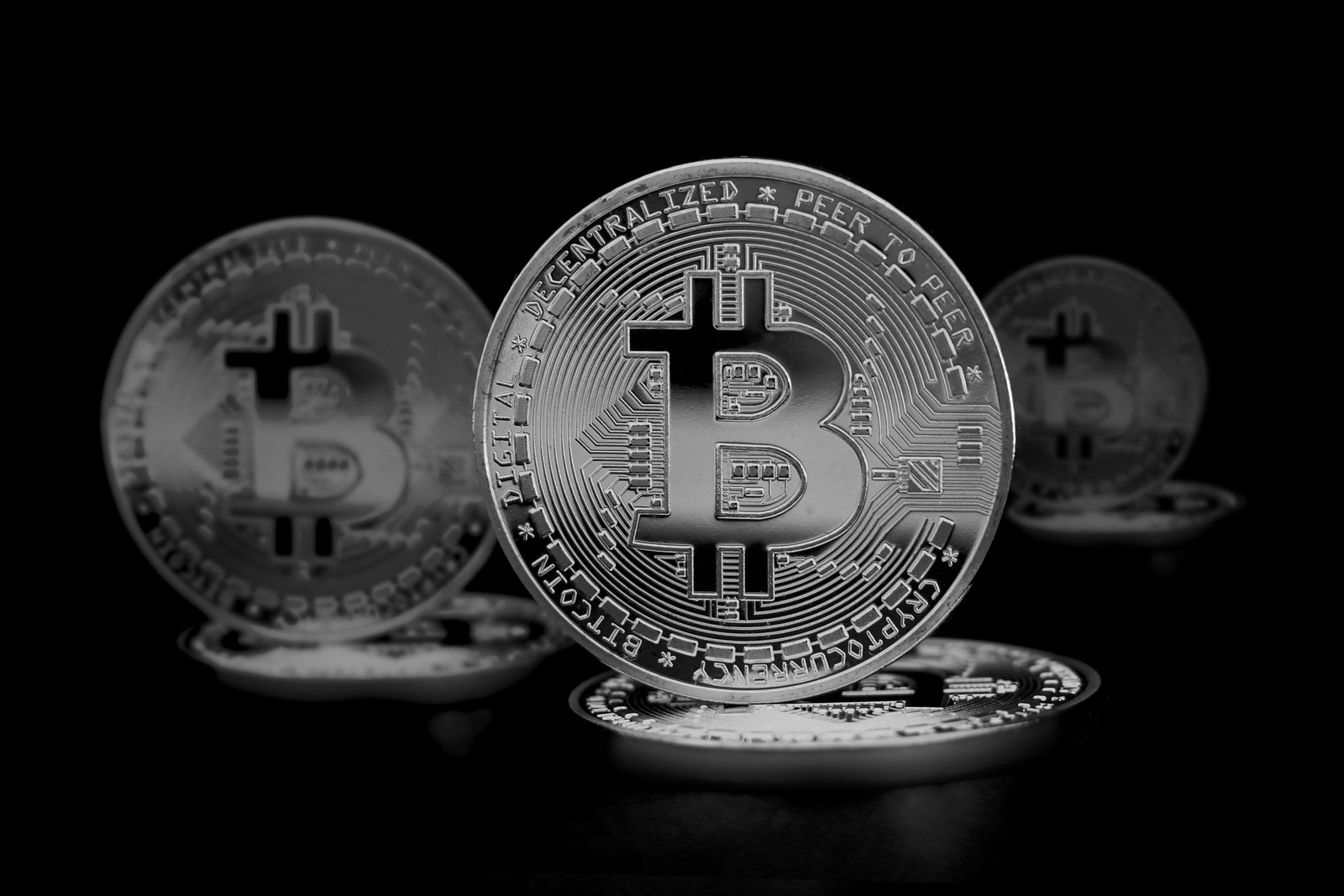
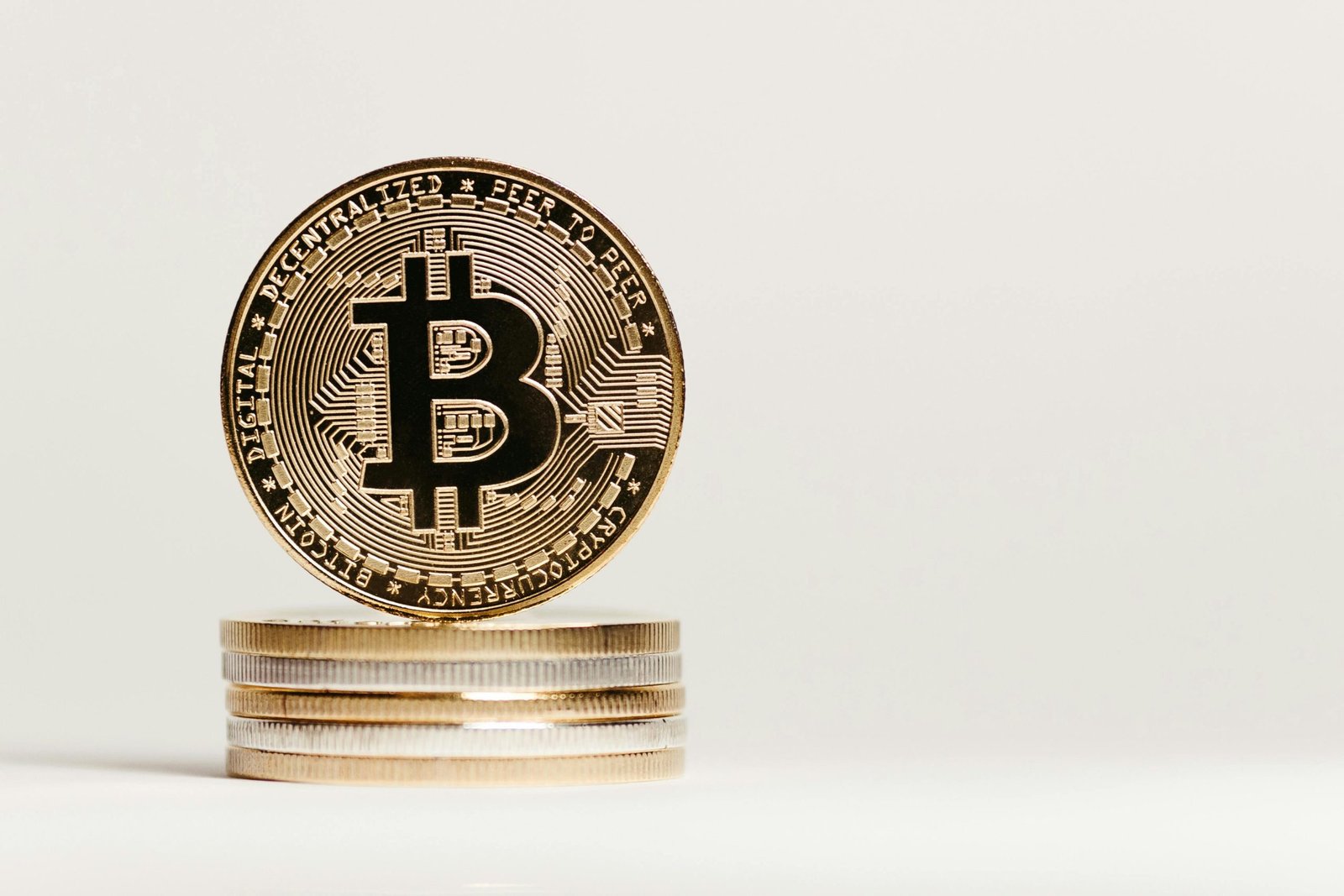
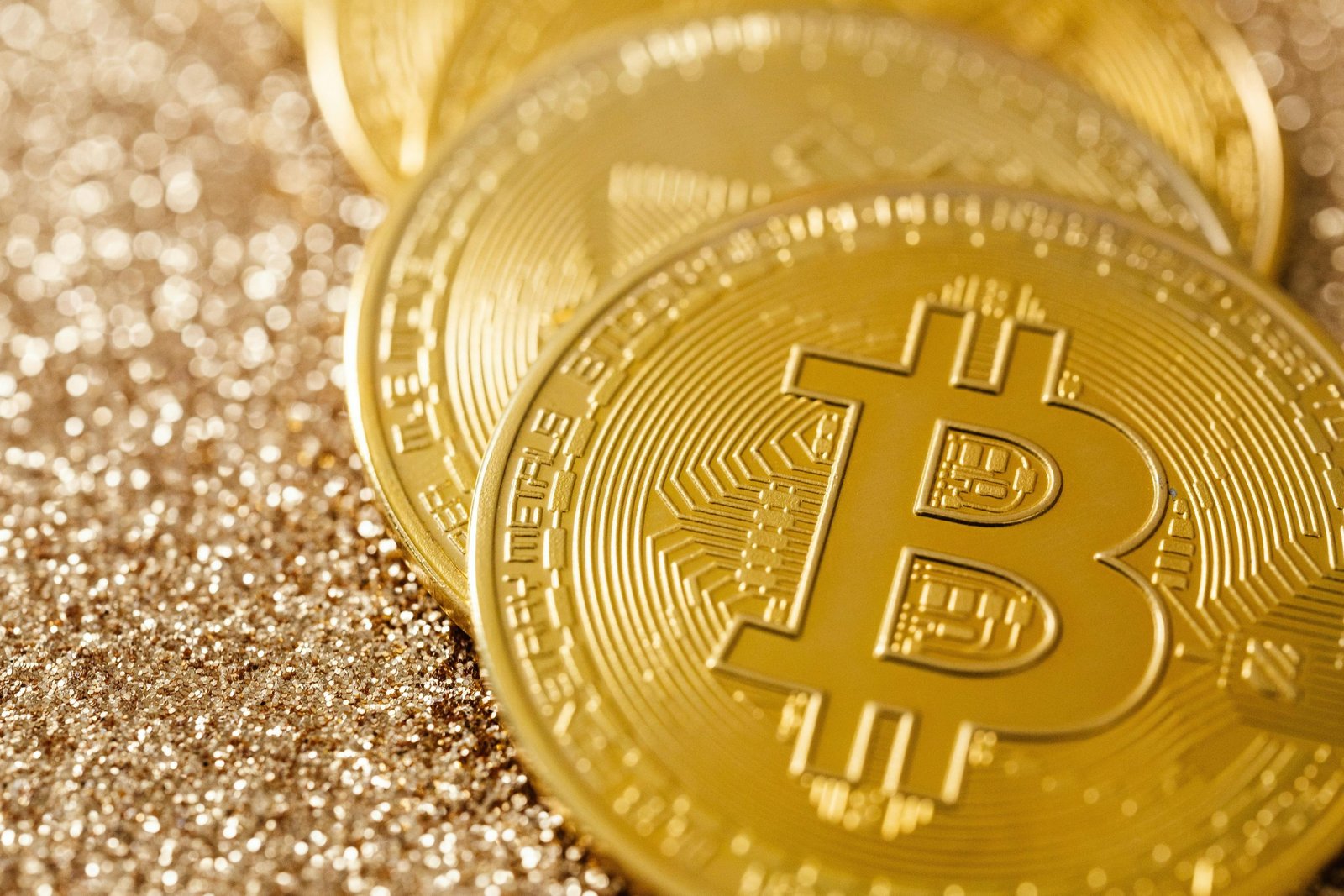
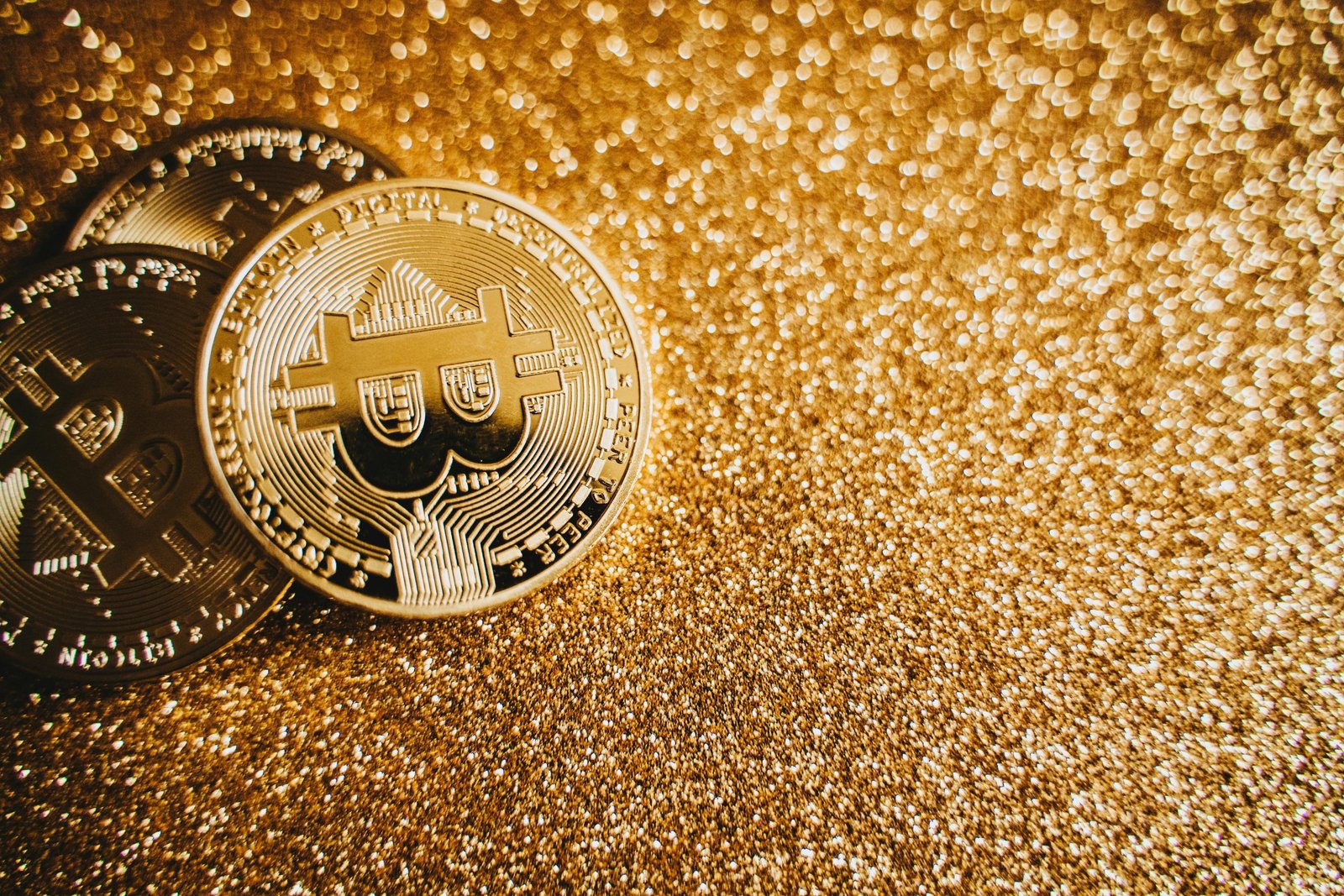
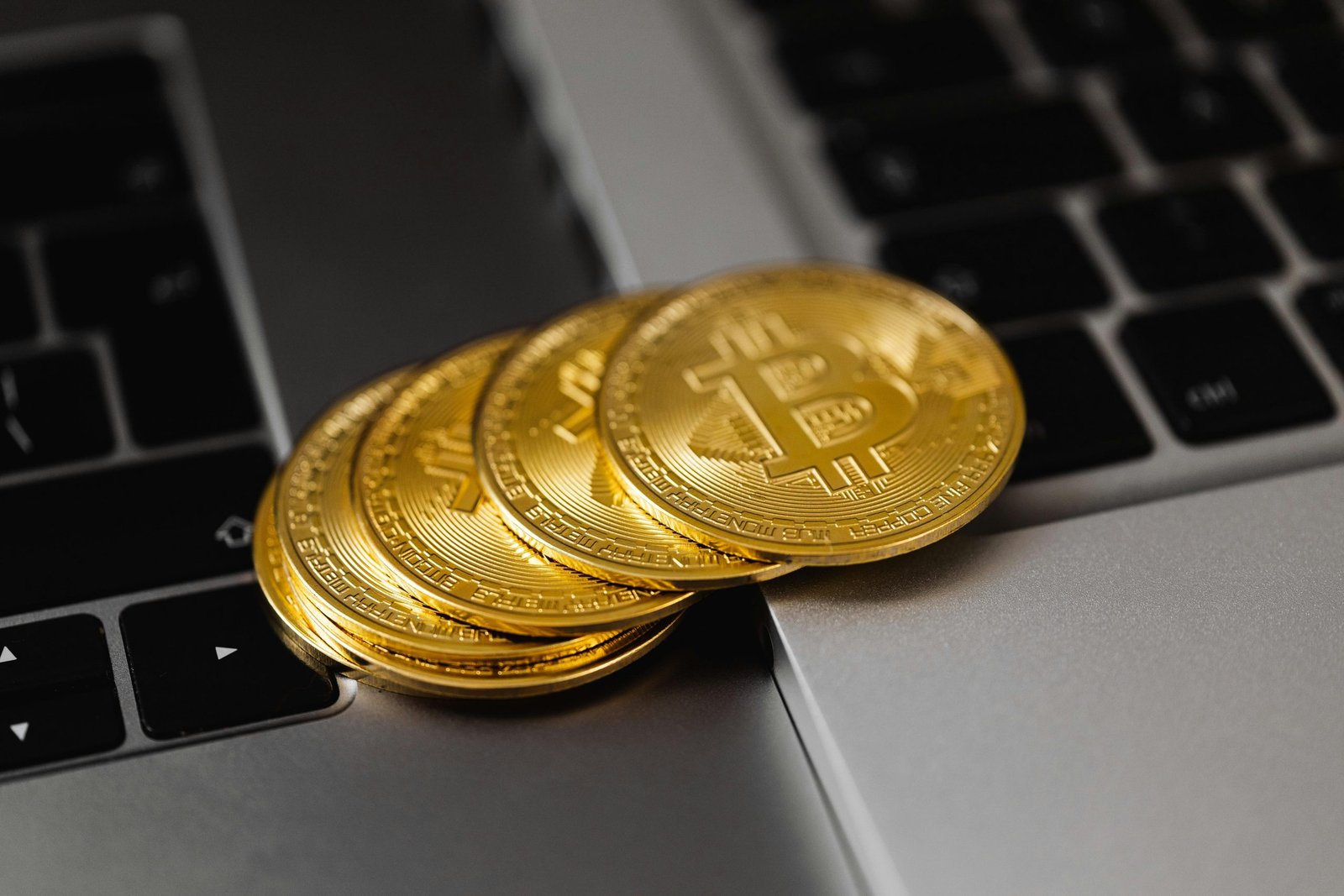
Bitcoin was launched in 2009 as the first decentralized digital currency. It introduced blockchain technology and peer-to-peer value transfer without requiring banks or intermediaries.
Key Characteristics of Bitcoin
- Limited supply (21 million coins maximum)
- Highly decentralized network
- Widely recognized and adopted
- Considered a store of value by many investors
Because of its scarcity and first-mover advantage, Bitcoin is often referred to as “digital gold.” It has established itself as the most dominant cryptocurrency by market capitalization.
What Are Altcoins?
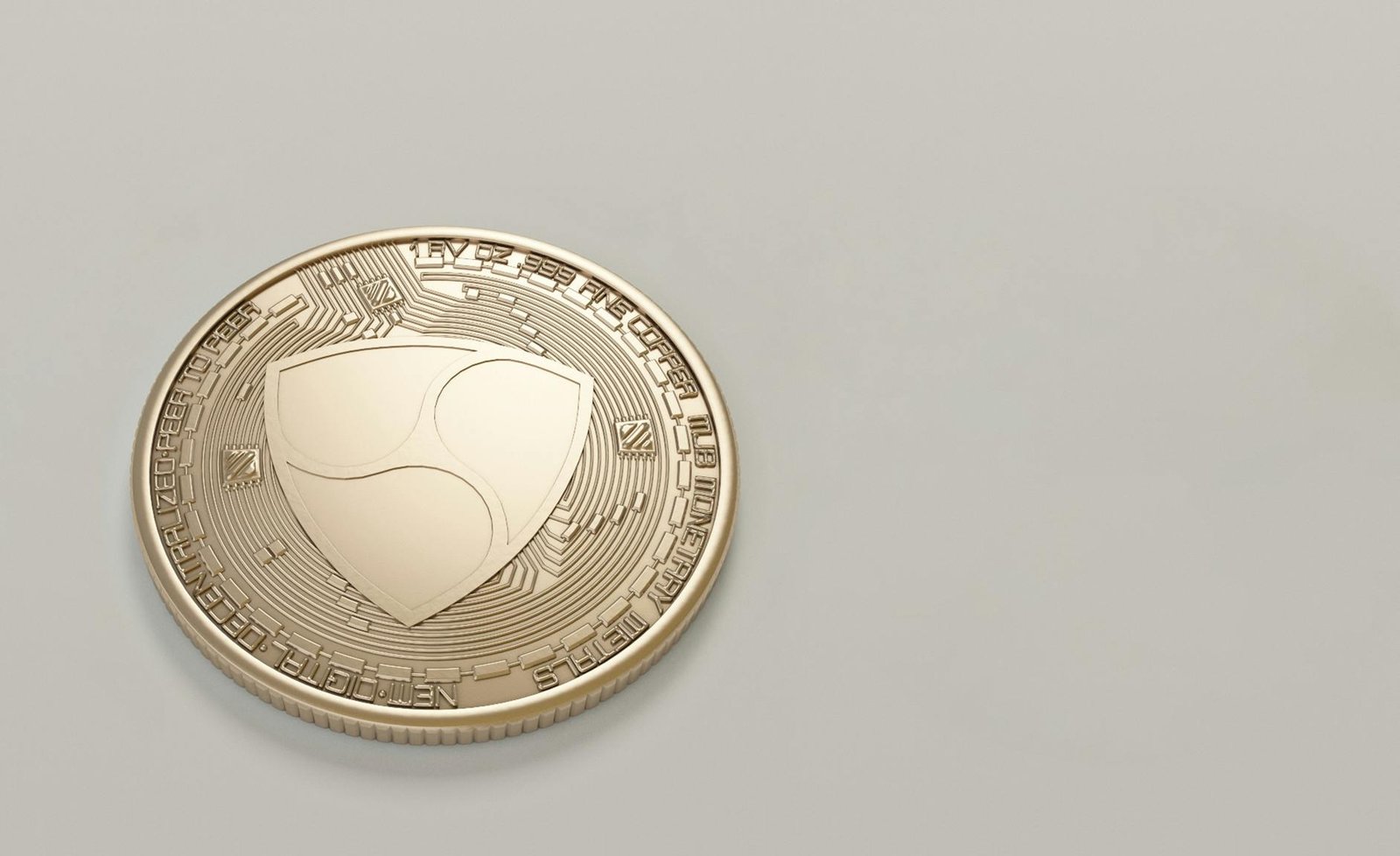
Altcoins are all cryptocurrencies other than Bitcoin. They include a wide range of digital assets designed for different purposes, such as smart contracts, decentralized finance, privacy, gaming, and more.
Some well-known examples include:
- Ethereum
- Solana
- Cardano
- Ripple
Each altcoin serves specific functions beyond simple peer-to-peer payments.
Market Stability and Risk
Bitcoin: Lower Relative Risk
Compared to most altcoins, Bitcoin tends to be:
- More stable (though still volatile compared to traditional assets)
- Less likely to disappear or fail
- More widely supported by exchanges and institutions
Its long track record gives many investors confidence in its resilience.
Altcoins: Higher Risk, Higher Reward
Altcoins often experience:
- Larger price swings
- Rapid growth during bull markets
- Steeper declines during market downturns
While some altcoins have delivered significant returns, others have failed entirely. The higher risk profile makes research and risk management especially important.
Use Cases and Innovation
Bitcoin’s Focus
Bitcoin’s primary function is:
- Store of value
- Medium of exchange
- Hedge against inflation (for some investors)
Its design prioritizes security and decentralization over rapid feature development.
Altcoin Innovation
Altcoins often push technological boundaries. For example:
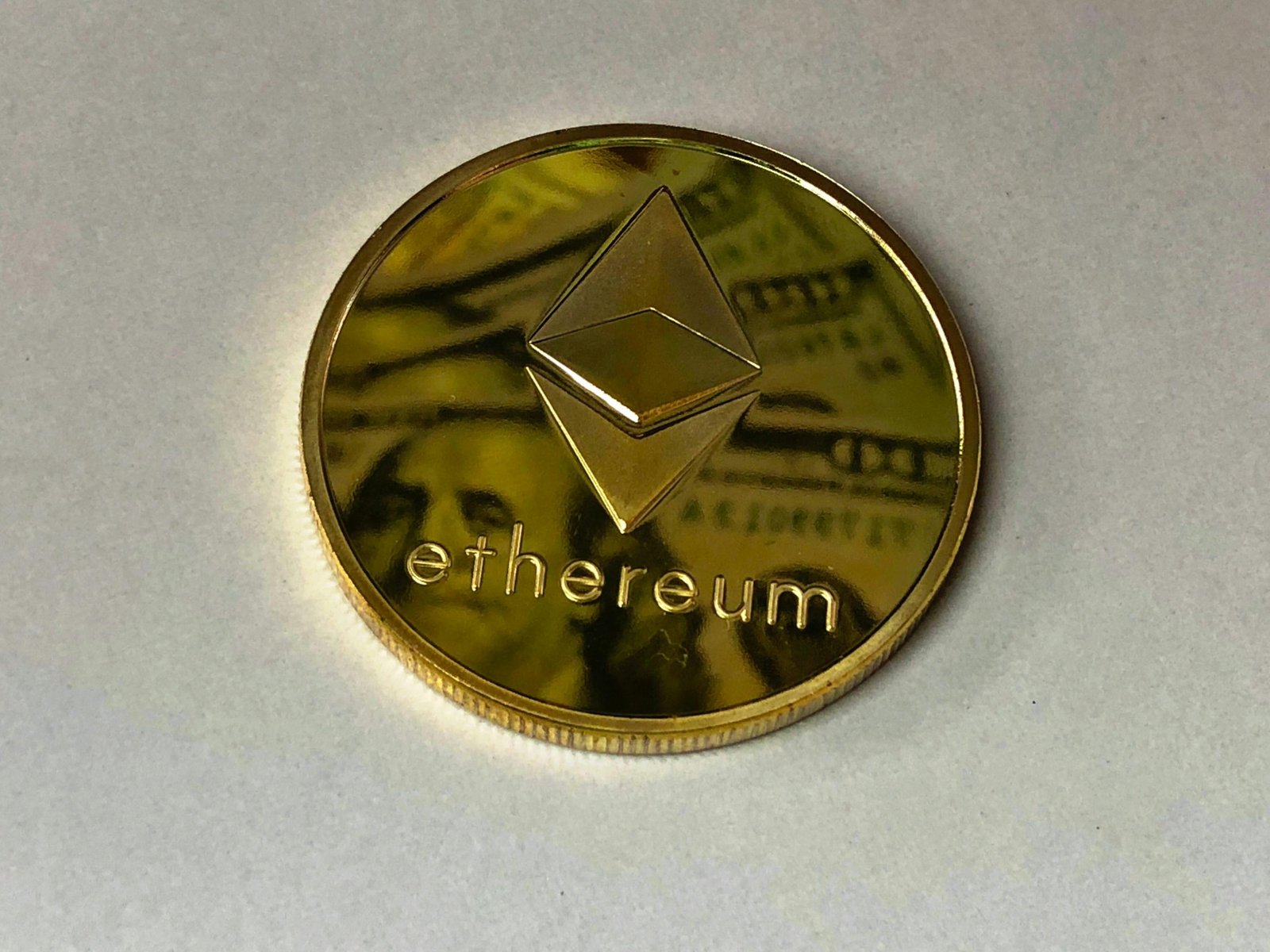
- Ethereum enables smart contracts and decentralized applications (dApps).
- Solana focuses on high transaction speed and scalability.
- Cardano emphasizes research-driven blockchain development.
Altcoins frequently introduce new features and technological improvements that expand blockchain use beyond simple payments.
Institutional Adoption
Bitcoin has seen broader institutional adoption compared to most altcoins. Large companies and financial institutions have added Bitcoin to their balance sheets or investment products.
Many investors view Bitcoin as the safest entry point into cryptocurrency markets due to its recognition and liquidity.
Altcoins are also gaining institutional interest, but adoption varies depending on the project’s utility and regulatory clarity.
Liquidity and Market Dominance
Bitcoin typically accounts for a significant portion of the total cryptocurrency market capitalization. This dominance often influences overall market trends.
High liquidity means:
- Easier buying and selling
- Lower price manipulation risk
- Stronger global trading volume
Altcoins, especially smaller ones, may have lower liquidity, increasing price volatility.
Diversification Strategy
Some investors choose not to pick one over the other. Instead, they diversify their crypto portfolio.
A balanced strategy may include:
- Bitcoin for stability
- Selected altcoins for growth potential
- Risk management through proper allocation
Diversification can reduce overall risk while allowing exposure to innovation-driven opportunities.
Regulatory Considerations
Regulation plays a significant role in cryptocurrency investments.
Bitcoin is often treated more clearly by regulators due to its decentralized nature and established history.
Some altcoins face:
- Greater regulatory scrutiny
- Classification debates (security vs. commodity)
- Compliance challenges
Regulatory clarity may impact the long-term performance of specific altcoins.
Long-Term Investment Perspective
Bitcoin for Long-Term Stability
Investors who prioritize:
- Lower relative volatility
- Long-term store of value
- Institutional trust
may lean toward Bitcoin.
Altcoins for Growth Potential
Investors seeking:
- High growth opportunities
- Exposure to emerging blockchain sectors
- Innovation-driven returns
may consider carefully selected altcoins.
However, altcoins generally require deeper research and active monitoring.
Leave a Reply