
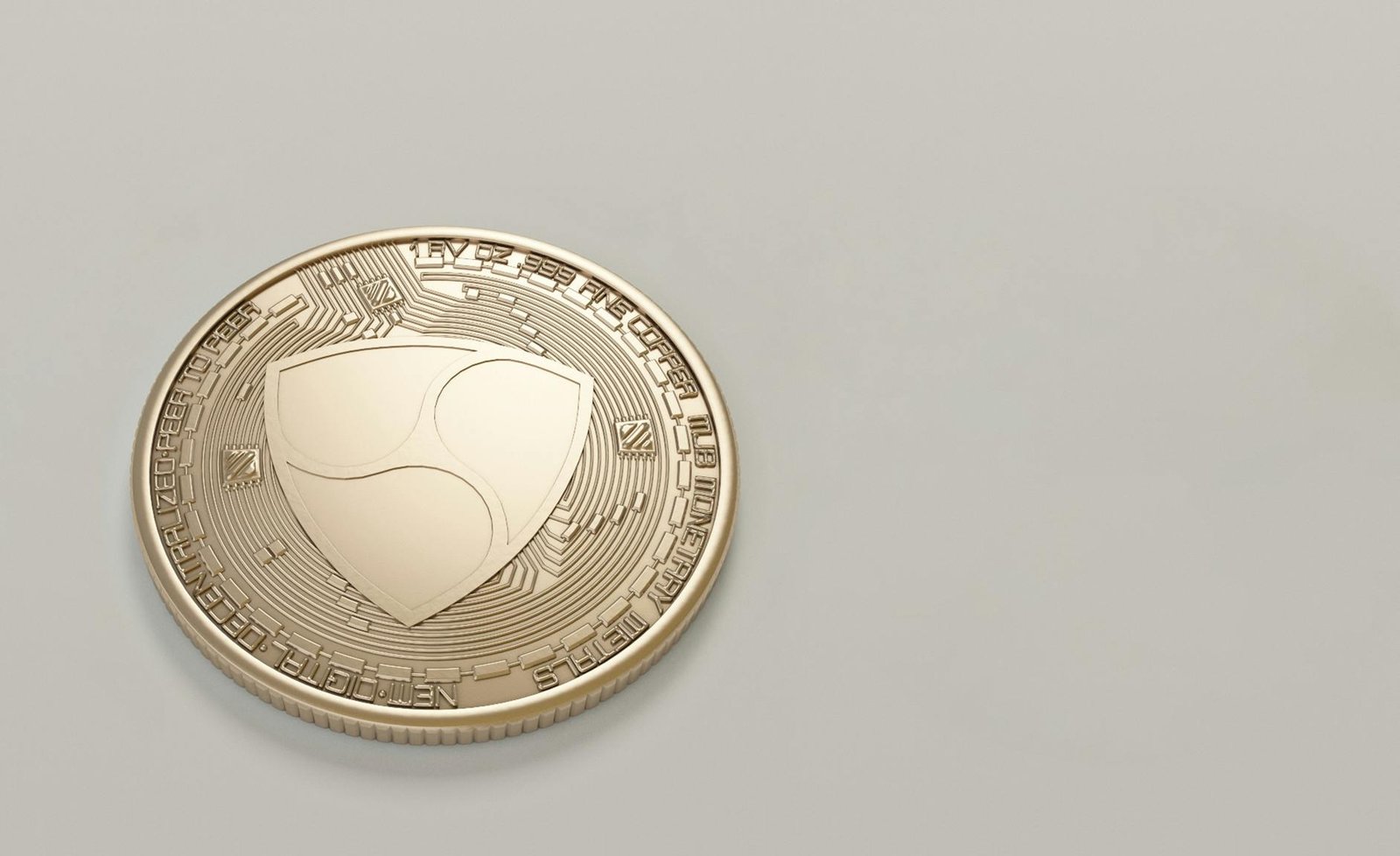
Cryptocurrency has transformed the financial world, offering new opportunities for investment and digital transactions. However, securing your digital assets is just as important as acquiring them. Unlike traditional bank accounts, crypto wallets put the responsibility of security in your hands. Understanding the differences between hot wallets and cold wallets is essential for safe storage.
This guide explains how to store cryptocurrency securely, the pros and cons of different wallet types, and best practices for protecting your assets.
What Is a Cryptocurrency Wallet?
A cryptocurrency wallet is a digital tool that allows users to store, send, and receive cryptocurrencies.
A wallet contains:
- Public Key: Acts like an account number to receive funds
- Private Key: A secret code that allows you to access and manage your crypto
Losing your private key means losing access to your funds permanently. Therefore, wallet security is critical.
Hot Wallets: Convenience Meets Risk
Hot wallets are connected to the internet, making them convenient for frequent transactions. Examples include:
- Mobile apps
- Web wallets provided by exchanges
- Desktop software
Advantages of Hot Wallets
- Accessibility: Quick access for trading and transactions
- Ease of Use: Often user-friendly and beginner-friendly
- Integration: Many hot wallets are integrated with exchanges
Disadvantages of Hot Wallets
- Online Threats: Vulnerable to hacking, phishing, and malware
- Centralized Risk: Exchange wallets can be compromised
- Less Secure for Large Holdings: Not ideal for long-term storage of significant assets
Hot wallets are best for everyday use or small amounts of cryptocurrency.
Cold Wallets: Maximum Security
Cold wallets are offline wallets that store cryptocurrency away from the internet. Examples include:
- Hardware wallets (e.g., Ledger, Trezor)
- Paper wallets
Advantages of Cold Wallets
- High Security: Resistant to online attacks and hacking
- Control: Users maintain full ownership of private keys
- Ideal for Long-Term Storage: Perfect for HODLing large amounts of crypto
Disadvantages of Cold Wallets
- Less Convenient: Transactions require connecting the wallet to a device
- Cost: Hardware wallets require an upfront purchase
- Responsibility: Loss of the wallet or backup can result in permanent loss
Cold wallets are recommended for long-term investors holding substantial amounts of cryptocurrency.
Choosing Between Hot and Cold Wallets
The choice depends on your needs:
| Feature | Hot Wallet | Cold Wallet |
|---|---|---|
| Internet Connection | Yes | No |
| Security | Medium | High |
| Ease of Access | Easy | Moderate |
| Best For | Daily trading | Long-term storage |
| Cost | Usually free | Hardware may cost $50-$200 |
Many users adopt a hybrid approach:
- Keep a small portion in a hot wallet for transactions
- Store the majority in a cold wallet for security
Best Practices for Wallet Security
Regardless of wallet type, follow these practices:
- Use Strong Passwords: Unique, complex passwords reduce hacking risk
- Enable Two-Factor Authentication (2FA): Adds an extra layer of security
- Backup Your Wallet: Keep multiple secure copies of private keys or recovery phrases
- Keep Software Updated: Protects against vulnerabilities
- Be Wary of Phishing: Avoid clicking suspicious links or providing keys online
- Use Reputable Providers: Only trust wallets with strong security reputations
Advanced Security Tips
- Multi-Signature Wallets: Require multiple approvals before executing transactions
- Air-Gapped Wallets: Devices that never connect to the internet for ultimate security
- Secure Storage Locations: Store hardware wallets and paper backups in safe, fireproof locations
Common Mistakes to Avoid
- Storing all crypto on exchange wallets without backups
- Sharing private keys or recovery phrases
- Using public Wi-Fi for wallet access
- Ignoring software updates or security alerts
Avoiding these mistakes is crucial to prevent irreversible losses.









Leave a Reply