

The emergence of Web3 has transformed the way we think about the internet, ownership, and digital assets. At the heart of this new paradigm lies cryptocurrency, which provides the foundation for decentralized networks, applications, and digital economies. Understanding the connection between Web3 and cryptocurrency is essential for investors, developers, and anyone interested in the future of the digital world.
This article explores how Web3 and cryptocurrency are linked, the role of blockchain technology, and the potential impact on industries and users worldwide.
What Is Web3?
Web3 represents the third generation of the internet, focusing on decentralization, privacy, and user empowerment. Unlike Web2, where data is controlled by centralized platforms like social media giants and banks, Web3 aims to:
- Give users control over their data and identity
- Enable peer-to-peer transactions without intermediaries
- Foster decentralized applications (dApps) powered by blockchain
Cryptocurrency is a critical component of Web3 because it acts as the native currency and incentive mechanism within decentralized networks.
The Role of Cryptocurrency in Web3
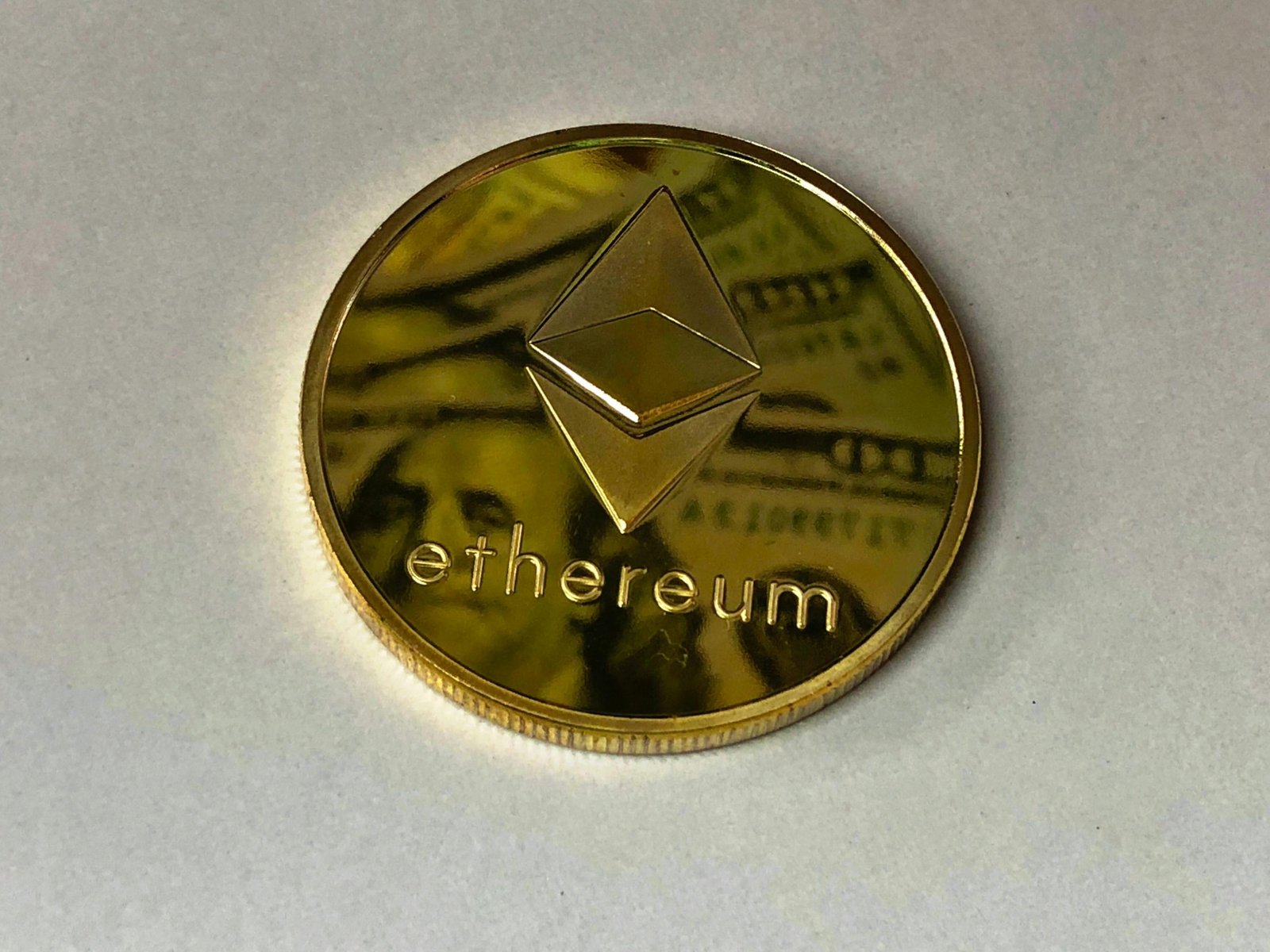
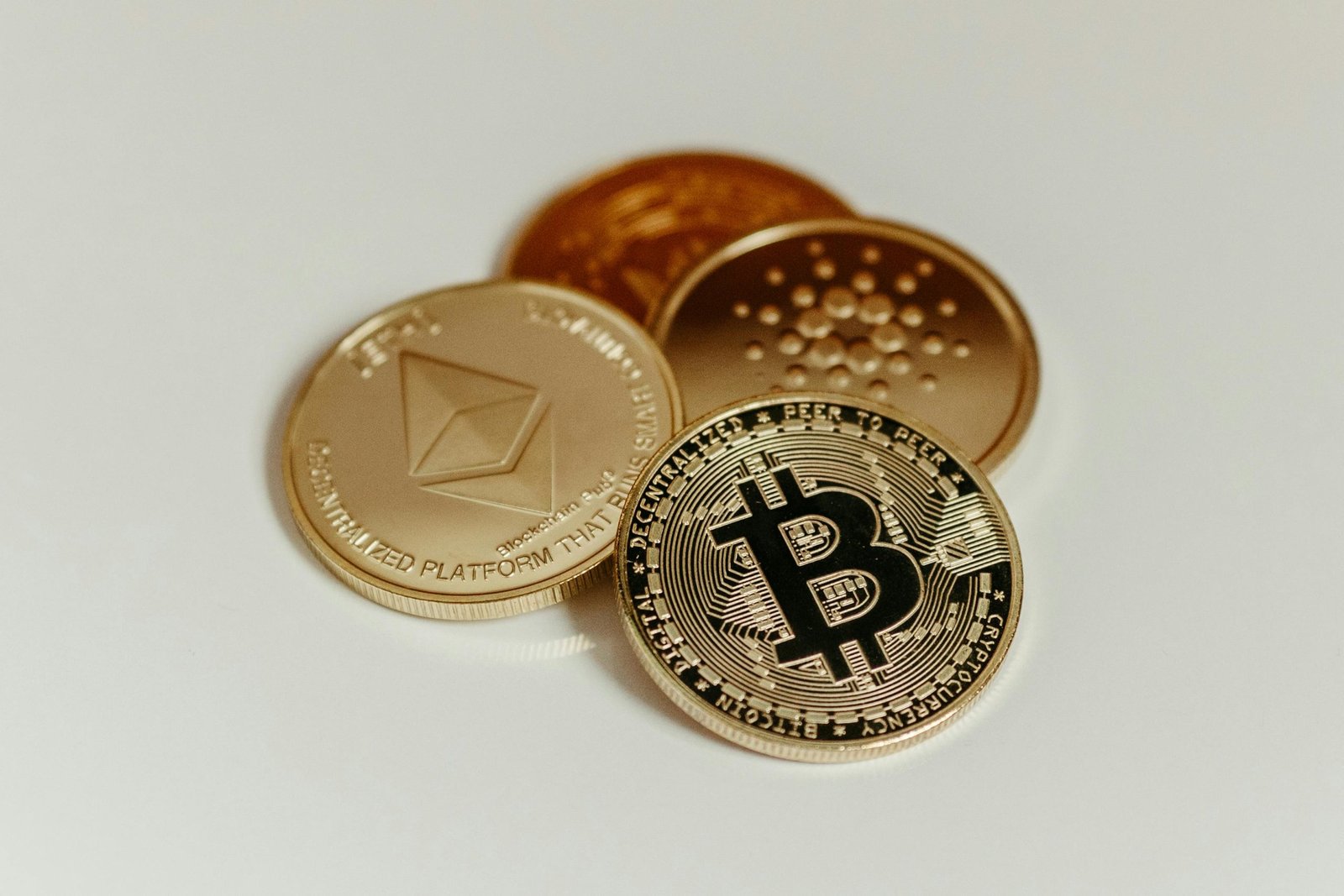
Cryptocurrencies like Bitcoin and Ethereum are the backbone of Web3 ecosystems. Their functions include:
1. Medium of Exchange
Cryptocurrency enables value transfer within Web3 networks:
- Users can buy, sell, or trade digital assets without traditional banks
- Microtransactions become feasible in decentralized platforms
- Stablecoins allow predictable pricing for goods and services
2. Incentives and Rewards
Many Web3 platforms use tokens to reward participants:
- Developers receive cryptocurrency for building dApps
- Users earn tokens for contributing to network security or content creation
- Validators in Proof-of-Stake networks earn rewards for maintaining the blockchain
These incentives help sustain decentralized networks.
3. Governance and Voting
Web3 projects often implement decentralized governance using tokens:
- Token holders vote on protocol upgrades, policy changes, and network parameters
- This allows users to have a direct say in the development of the platform
- Examples include governance tokens in DeFi projects like Compound or Aave
Cryptocurrency tokens provide both utility and influence within Web3 ecosystems.
Blockchain: The Bridge Between Web3 and Cryptocurrency
Blockchain technology underpins both Web3 and cryptocurrency:
- Decentralization: Eliminates reliance on central authorities
- Transparency: All transactions are recorded on a public ledger
- Security: Cryptography ensures integrity and prevents fraud
- Programmability: Smart contracts enable automatic execution of agreements
Without blockchain, Web3 and its cryptocurrency-based economies would not be possible.
Examples of Web3 and Cryptocurrency Integration
- Decentralized Finance (DeFi)
- Users lend, borrow, and trade assets without intermediaries
- Tokens like Ethereum, USDC, and DAI power these platforms
- Non-Fungible Tokens (NFTs)
- Digital ownership of art, collectibles, and virtual assets
- Buyers pay with cryptocurrency, and ownership is secured on blockchain
- Decentralized Autonomous Organizations (DAOs)
- Organizations run entirely on blockchain governance
- Members vote using cryptocurrency tokens, managing projects collectively
- Metaverse Platforms
- Virtual worlds with in-game economies
- Cryptocurrency acts as currency for buying land, items, or services
These examples show how crypto enables economic activity and governance in Web3.
Advantages of Cryptocurrency in Web3
- Trustless Transactions: No need for intermediaries or third parties
- Global Accessibility: Anyone with internet access can participate
- Transparency and Security: Blockchain ensures reliable and tamper-proof records
- Programmable Money: Smart contracts automate transactions and enforce rules
Challenges and Considerations
Despite the strong connection, challenges exist:
- Volatility: Cryptocurrency prices can fluctuate rapidly, affecting Web3 economies
- Regulatory Uncertainty: Governments are still defining laws around tokens and dApps
- Usability: Web3 platforms require learning curves for non-technical users
- Environmental Concerns: Energy consumption of Proof-of-Work networks remains a concern
Developers and investors must navigate these challenges carefully.
The Future of Web3 and Cryptocurrency
In 2026 and beyond, Web3 and cryptocurrency are expected to evolve together:
- Mass Adoption: More businesses and individuals will use crypto-powered Web3 applications
- Interoperability: Different blockchains and tokens will work together seamlessly
- Enhanced Governance: Token-based decision-making will increase transparency and fairness
- Integration with Real Economy: Cryptocurrencies may increasingly be used for goods, services, and wages
The synergy between Web3 and cryptocurrency is likely to reshape the internet and financial systems.








Leave a Reply