

The financial world is undergoing a significant transformation. Traditional banking systems have long dominated global finance, but a new model is emerging—Decentralized Finance (DeFi). Powered by blockchain technology, DeFi aims to recreate financial services without relying on central authorities such as banks or intermediaries.
Over the past few years, DeFi has grown from a niche experiment into a multi-billion-dollar ecosystem, attracting developers, investors, and institutions worldwide. This article explores how DeFi works, why it is growing, its benefits and risks, and what the future may hold.
What Is Decentralized Finance (DeFi)?
Decentralized Finance refers to a collection of financial applications built on blockchain networks. These applications allow users to access services such as lending, borrowing, trading, and earning interest—without using traditional banks.
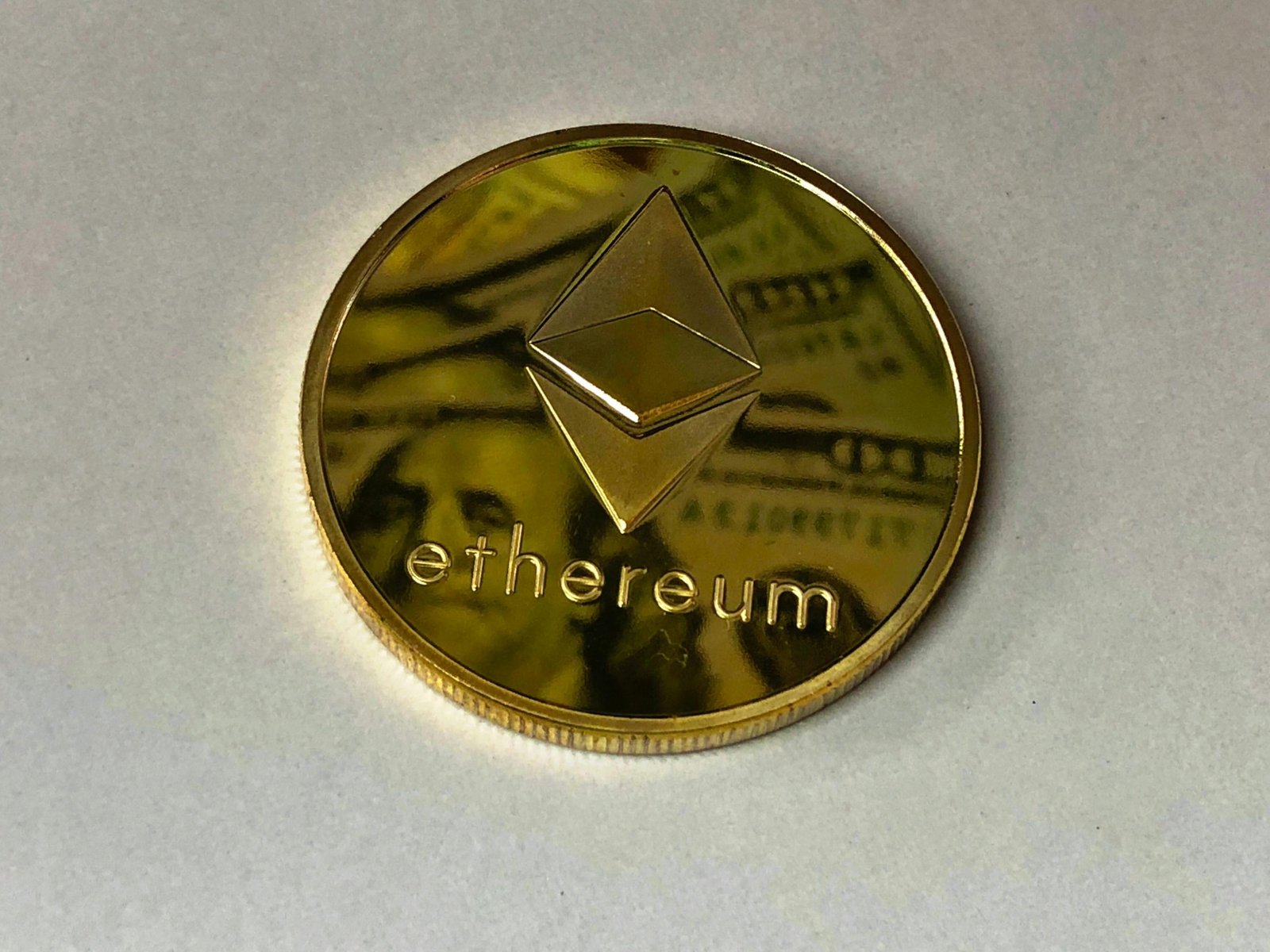
Most DeFi applications operate on blockchain platforms like Ethereum, which supports smart contracts. Smart contracts are self-executing agreements written in code that automatically process transactions when specific conditions are met.
How DeFi Works
DeFi platforms use smart contracts to automate financial transactions. Instead of a bank approving a loan or processing a payment, the blockchain handles it through predefined rules.
Here’s a simplified breakdown:
- A user connects a digital wallet to a DeFi platform.
- The user deposits cryptocurrency into a smart contract.
- The smart contract executes the transaction automatically.
- The blockchain records the transaction permanently.
Because these systems operate on decentralized networks, no single authority controls them.
Key Components of the DeFi Ecosystem
DeFi is not a single platform. It consists of multiple interconnected services.
1. Decentralized Exchanges (DEXs)
DEXs allow users to trade cryptocurrencies directly from their wallets without intermediaries.
Benefits include:
- Greater privacy
- Lower barriers to entry
- Direct peer-to-peer transactions
2. Lending and Borrowing Platforms
Users can lend their crypto assets to earn interest or borrow assets by providing collateral.
These platforms:
- Operate through smart contracts
- Set interest rates algorithmically
- Remove traditional credit checks
3. Stablecoins
Stablecoins are cryptocurrencies pegged to stable assets like fiat currencies. They reduce volatility within the DeFi ecosystem and are commonly used for transactions and lending.
4. Yield Farming and Staking
Yield farming allows users to earn rewards by providing liquidity to DeFi platforms. Staking involves locking assets to support network operations in exchange for rewards.
These opportunities have contributed significantly to DeFi’s rapid growth.
Why DeFi Is Growing Rapidly
Several factors have fueled the rise of decentralized finance:
1. Financial Inclusion
DeFi enables access to financial services for individuals who lack traditional banking access. Anyone with internet access and a digital wallet can participate.
2. Transparency
All transactions are recorded on public blockchains. This transparency reduces hidden fees and increases accountability.
3. Automation and Efficiency
Smart contracts remove manual processes, making transactions faster and often more cost-effective.
4. Innovation
Developers continuously build new financial tools, expanding the ecosystem beyond traditional banking services.
Advantages of DeFi
DeFi offers several potential benefits:
- No centralized control
- 24/7 global access
- Lower entry barriers
- Reduced reliance on banks
- Programmable financial services
These features appeal to individuals seeking more control over their assets.
Risks and Challenges of DeFi
Despite its promise, DeFi is not without risks.
1. Smart Contract Vulnerabilities
If a smart contract contains coding errors, it may be exploited. Security audits help reduce this risk but cannot eliminate it entirely.
2. Market Volatility
Cryptocurrencies such as Bitcoin and other digital assets can experience significant price swings, affecting collateral and lending positions.
3. Regulatory Uncertainty
Governments are still developing regulations for decentralized financial systems. Future rules may impact platform operations.
4. Complexity
DeFi platforms can be technically challenging for beginners. Mistakes in transactions, wallet management, or private key handling can result in permanent loss of funds.
DeFi vs Traditional Finance
| Feature | Traditional Finance | DeFi |
|---|---|---|
| Control | Centralized institutions | Decentralized networks |
| Access | Limited by geography and regulations | Global and open |
| Operating Hours | Business hours | 24/7 |
| Transparency | Limited | Public blockchain ledger |
Rather than replacing traditional finance completely, DeFi may complement it by introducing new models of financial interaction.
The Future of DeFi
As blockchain technology evolves, DeFi is likely to mature in several ways:
- Improved security standards
- Greater regulatory clarity
- User-friendly interfaces
- Institutional participation
- Cross-chain compatibility
We may also see collaboration between traditional financial institutions and decentralized platforms.









Leave a Reply