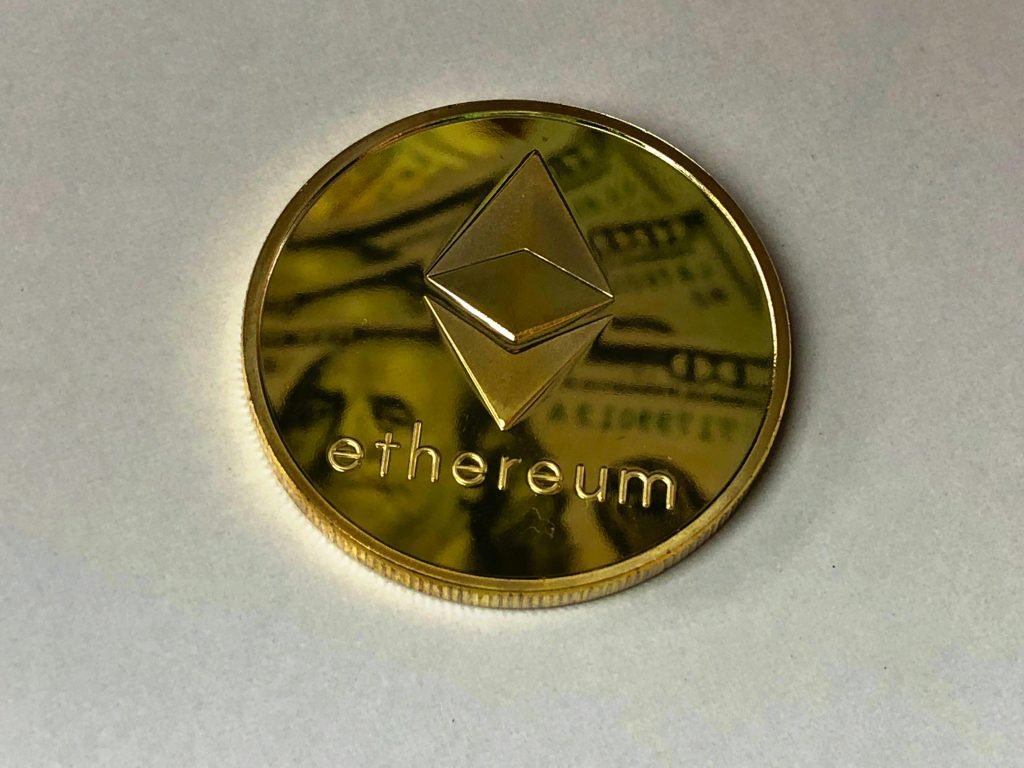

Cryptocurrency mining has been a fundamental part of blockchain networks since the inception of Bitcoin in 2009. It is the process that validates transactions, secures networks, and introduces new coins into circulation.
As we move into 2026, crypto mining has evolved significantly due to technological advancements, regulatory developments, and sustainability concerns. This guide explains how crypto mining works today, the innovations shaping it, and what the future holds.
What Is Crypto Mining?
Crypto mining is the process of validating and adding transactions to a blockchain ledger. Miners use computational power to solve complex mathematical puzzles, which verify the legitimacy of transactions.
Key purposes of mining include:
- Transaction Verification: Ensuring funds are transferred securely between users.
- Network Security: Protecting the blockchain from fraud and attacks.
- Issuance of New Coins: Rewarding miners with cryptocurrency for their work.
How Crypto Mining Works
1. Transaction Collection
When users send cryptocurrency, transactions are broadcast to the network. Miners collect these transactions into a “block,” which will be added to the blockchain.
2. Solving the Cryptographic Puzzle
Miners compete to solve a complex mathematical problem, often referred to as Proof of Work (PoW). This requires:
- High computational power
- Specialized mining hardware (ASICs or GPUs)
- Significant energy consumption
The first miner to solve the puzzle gets the right to add the block to the blockchain.
3. Block Verification
Once a solution is found, the network verifies it. Other nodes check:
- Transaction authenticity
- Correct cryptographic solution
If verified, the block is added to the blockchain.
4. Miner Rewards
Miners are rewarded with:
- Newly minted cryptocurrency (block reward)
- Transaction fees from the transactions included in the block
These rewards incentivize miners to maintain network security.
Evolution of Mining Technology
By 2026, crypto mining has advanced significantly:
1. Efficient Mining Hardware
- ASIC (Application-Specific Integrated Circuit) miners dominate Bitcoin mining.
- High-performance GPUs are used for other cryptocurrencies like Ethereum Classic and altcoins.
- Cloud mining services allow users to participate without owning hardware.
2. Transition to Proof of Stake (PoS)
Some networks, including Ethereum, have moved from PoW to Proof of Stake (PoS):
- Reduces energy consumption dramatically
- Validators stake coins instead of solving puzzles
- Encourages long-term holding and network stability
PoS is becoming increasingly common in new blockchain projects.
3. Sustainable and Green Mining
Environmental concerns have pushed miners to adopt cleaner energy sources:
- Solar, wind, and hydroelectric power are being used in large-scale mining farms.
- Energy-efficient hardware reduces carbon footprint.
- Governments in some regions incentivize sustainable mining practices.
Mining Pools: Collaborative Mining
Mining difficulty has increased, making solo mining less profitable for most individuals. Mining pools allow miners to combine their computational power and share rewards proportionally.
Benefits of mining pools include:
- Higher probability of earning rewards
- Steady income stream
- Shared infrastructure costs
However, centralized pools can raise concerns about network control and decentralization.
Crypto Mining in Different Regions
Mining is influenced by geography due to energy costs, climate, and regulation:
- North America: Attracts miners due to cheap electricity and renewable energy initiatives.
- Asia: China banned crypto mining, but other countries like Kazakhstan and Vietnam host large operations.
- Europe: Focused on green mining solutions and regulatory compliance.
The global distribution is shifting toward regions with favorable regulations and sustainable energy sources.
Risks and Challenges of Crypto Mining
Even in 2026, mining comes with risks:
- High Energy Costs: Even with PoS and efficient hardware, mining can be energy-intensive.
- Regulatory Risks: Governments can ban or heavily regulate mining operations.
- Hardware Depreciation: Mining equipment becomes obsolete as difficulty increases.
- Market Volatility: Cryptocurrency price fluctuations directly affect profitability.
Smart miners adapt by using energy-efficient hardware, choosing the right location, and participating in PoS or hybrid mining systems.
Innovations Shaping Mining in 2026
- AI Optimization: Artificial intelligence helps manage mining efficiency, energy consumption, and predictive maintenance of hardware.
- Decentralized Mining Pools: Peer-to-peer mining pools reduce centralization risks.
- Hybrid Consensus Models: Some networks combine PoW and PoS to balance security, energy efficiency, and decentralization.
- Integration with Renewable Energy: Large farms integrate solar, wind, and hydroelectric power directly with mining hardware.
These innovations are making mining more sustainable, profitable, and accessible.
How Beginners Can Participate in Mining
You don’t need a massive mining farm to be part of cryptocurrency networks:
- Cloud Mining: Rent mining power from a provider without owning hardware.
- Staking: Participate in PoS networks by staking coins to validate transactions.
- Joining a Mining Pool: Combine resources with other miners to increase chances of rewards.
- Research Projects: Look for emerging cryptocurrencies with low difficulty and strong potential.
Always consider energy costs, fees, and security before participating.