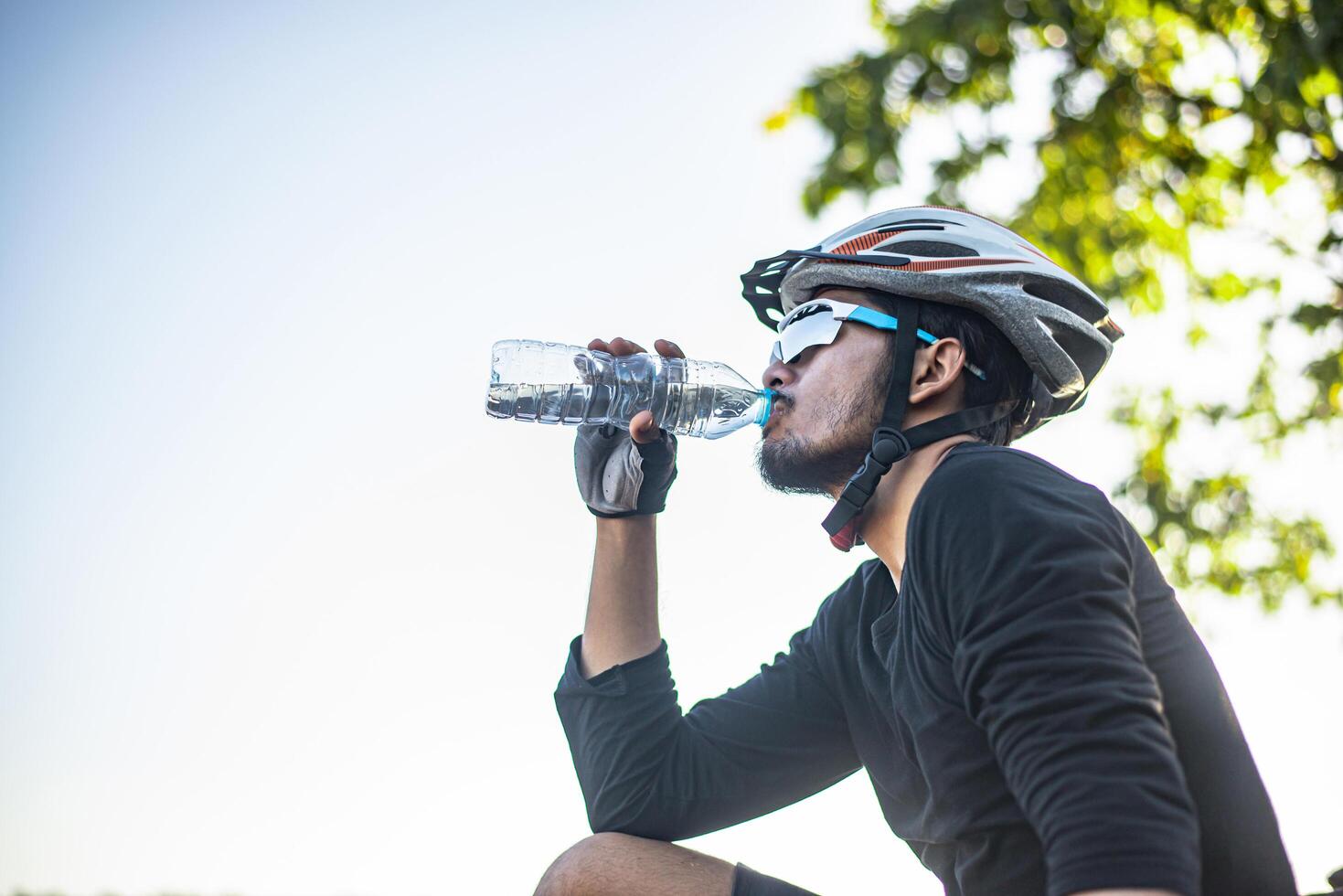
Hydration Hacks How Much Water Do You Really Need?
By Slimapk Team
•
September 27, 2025
For decades, the advice has been as clear as the liquid it promotes: "Drink eight glasses of water a day." This simple, memorable rule has become a cornerstone of health wisdom, repeated by doctors, wellness coaches, and concerned family members alike. But in an age of personalized nutrition and bio-individuality, does this one-size-fits-all directive still hold water? While staying hydrated is undeniably critical for our health, the rigid "8x8" rule (eight 8-ounce glasses) is an oversimplification of a much more dynamic bodily need.
This article will dive into the science of hydration, debunk the myths, and help you determine how much water you actually need. More importantly, it will provide practical and easy-to-implement "hydration hacks" to ensure you stay optimally hydrated without feeling like it's a chore.
I. Deconstructing the Myth: Where Did "Eight Glasses a Day" Come From?
The popular "8x8" guideline is not based on robust, specific scientific evidence. Its origins are often traced back to a 1945 recommendation from the U.S. Food and Nutrition Board, which stated that a suitable allowance of water for adults is "2.5 liters daily in most instances." However, a crucial sentence that followed is almost always omitted: "Most of this quantity is contained in prepared foods."
Over time, this nuance was lost, and the advice was distilled into the simple mantra of drinking eight glasses of plain water, ignoring the significant contributions from other beverages and, most importantly, our food. The truth is, there is no single magic number. Your ideal water intake is a moving target, influenced by a variety of personal and environmental factors.
II. The Personal Hydration Equation: Factors That Determine Your Needs
Instead of adhering to a rigid quota, it's far more effective to understand the factors that influence your body's demand for water. The most reliable way to gauge your needs is by listening to your body's built-in indicators.
Key Influencing Factors:
Activity Level: If you exercise or have a physically demanding job, you lose more water through sweat and need to replenish it. The more intense the activity, the higher your fluid requirements.
Climate and Environment: Living in a hot, humid climate or at a high altitude causes you to lose more fluid through sweating and rapid breathing. You'll naturally need to drink more to compensate.
Overall Health: Your body needs more water when you have a fever, are fighting an infection, or experience fluid loss from vomiting or diarrhea. Certain conditions like bladder infections or kidney stones may also require increased water intake.
Pregnancy and Breastfeeding: Women who are pregnant or breastfeeding have significantly higher fluid needs to support the baby and milk production.
Diet: If you eat a diet rich in water-dense foods like fruits and vegetables, you are already consuming a good portion of your daily needs. Conversely, a diet high in salty, processed foods will increase your body's need for water.
Your Body's Best Indicators:
Forget the numbers and pay attention to these two simple, effective bio-markers:
Thirst: For the average healthy person, thirst is a highly reliable and finely tuned signal. By the time you feel thirsty, your body is already starting to enter a state of dehydration. The best practice is to drink water consistently throughout the day to prevent thirst from kicking in.
Urine Color: This is perhaps the most practical visual guide. Aim for a urine color that is pale straw or light lemonade. If it's dark yellow or amber, it's a clear sign you need to drink more fluids. If it's completely clear like water, you may be over-hydrated, which can also be problematic.
III. Beyond the Glass: Practical Hydration Hacks
Knowing you need to stay hydrated is one thing; actually doing it is another. Here are some simple hacks to make it a seamless part of your daily routine.
Eat Your Water: A significant portion of your fluid intake comes from food. Incorporate water-rich foods into your diet, such as cucumber (96% water), watermelon (92%), strawberries (91%), celery (95%), and oranges (87%). Soups and broths are also excellent sources.
Infuse for Flavor: If you find plain water boring, give it a natural makeover. Add slices of lemon, lime, cucumber, orange, or a handful of mint leaves or berries to a pitcher of water. This adds a refreshing taste without any sugar or artificial ingredients, making it far more appealing to sip all day.
The "Bookend Your Day" Habit: Make drinking a glass of water the first thing you do when you wake up and the last thing you do before bed. This simple ritual helps rehydrate your body after a long night's sleep and ensures you start and end your day on the right foot.
Carry a Reusable Bottle: The single most effective hack is to have water accessible at all times. Invest in a reusable water bottle you love and keep it with you at your desk, in your car, and in your bag. The visual cue and convenience will prompt you to drink more.
Set Timed Reminders: Use your phone's alarm or a dedicated app to set reminders to drink water every hour. Another trick is to use a bottle with time markings on the side, turning your hydration into a simple, time-based goal.
Rethink Your Beverages: Not all your fluid has to come from plain water. Unsweetened herbal teas, milk, and even coffee and tea (in moderation) contribute to your daily total. The diuretic effect of caffeine is mild in regular consumers and does not negate the water content.
Add a Pinch of Salt Post-Workout: After a long, intense workout where you've sweat a lot, your body loses not just water but also essential electrolytes like sodium. A small pinch of sea salt in your post-workout water can help your body absorb and retain the fluid more effectivel
This article will dive into the science of hydration, debunk the myths, and help you determine how much water you actually need. More importantly, it will provide practical and easy-to-implement "hydration hacks" to ensure you stay optimally hydrated without feeling like it's a chore.
I. Deconstructing the Myth: Where Did "Eight Glasses a Day" Come From?
The popular "8x8" guideline is not based on robust, specific scientific evidence. Its origins are often traced back to a 1945 recommendation from the U.S. Food and Nutrition Board, which stated that a suitable allowance of water for adults is "2.5 liters daily in most instances." However, a crucial sentence that followed is almost always omitted: "Most of this quantity is contained in prepared foods."
Over time, this nuance was lost, and the advice was distilled into the simple mantra of drinking eight glasses of plain water, ignoring the significant contributions from other beverages and, most importantly, our food. The truth is, there is no single magic number. Your ideal water intake is a moving target, influenced by a variety of personal and environmental factors.
II. The Personal Hydration Equation: Factors That Determine Your Needs
Instead of adhering to a rigid quota, it's far more effective to understand the factors that influence your body's demand for water. The most reliable way to gauge your needs is by listening to your body's built-in indicators.
Key Influencing Factors:
Activity Level: If you exercise or have a physically demanding job, you lose more water through sweat and need to replenish it. The more intense the activity, the higher your fluid requirements.
Climate and Environment: Living in a hot, humid climate or at a high altitude causes you to lose more fluid through sweating and rapid breathing. You'll naturally need to drink more to compensate.
Overall Health: Your body needs more water when you have a fever, are fighting an infection, or experience fluid loss from vomiting or diarrhea. Certain conditions like bladder infections or kidney stones may also require increased water intake.
Pregnancy and Breastfeeding: Women who are pregnant or breastfeeding have significantly higher fluid needs to support the baby and milk production.
Diet: If you eat a diet rich in water-dense foods like fruits and vegetables, you are already consuming a good portion of your daily needs. Conversely, a diet high in salty, processed foods will increase your body's need for water.
Your Body's Best Indicators:
Forget the numbers and pay attention to these two simple, effective bio-markers:
Thirst: For the average healthy person, thirst is a highly reliable and finely tuned signal. By the time you feel thirsty, your body is already starting to enter a state of dehydration. The best practice is to drink water consistently throughout the day to prevent thirst from kicking in.
Urine Color: This is perhaps the most practical visual guide. Aim for a urine color that is pale straw or light lemonade. If it's dark yellow or amber, it's a clear sign you need to drink more fluids. If it's completely clear like water, you may be over-hydrated, which can also be problematic.
III. Beyond the Glass: Practical Hydration Hacks
Knowing you need to stay hydrated is one thing; actually doing it is another. Here are some simple hacks to make it a seamless part of your daily routine.
Eat Your Water: A significant portion of your fluid intake comes from food. Incorporate water-rich foods into your diet, such as cucumber (96% water), watermelon (92%), strawberries (91%), celery (95%), and oranges (87%). Soups and broths are also excellent sources.
Infuse for Flavor: If you find plain water boring, give it a natural makeover. Add slices of lemon, lime, cucumber, orange, or a handful of mint leaves or berries to a pitcher of water. This adds a refreshing taste without any sugar or artificial ingredients, making it far more appealing to sip all day.
The "Bookend Your Day" Habit: Make drinking a glass of water the first thing you do when you wake up and the last thing you do before bed. This simple ritual helps rehydrate your body after a long night's sleep and ensures you start and end your day on the right foot.
Carry a Reusable Bottle: The single most effective hack is to have water accessible at all times. Invest in a reusable water bottle you love and keep it with you at your desk, in your car, and in your bag. The visual cue and convenience will prompt you to drink more.
Set Timed Reminders: Use your phone's alarm or a dedicated app to set reminders to drink water every hour. Another trick is to use a bottle with time markings on the side, turning your hydration into a simple, time-based goal.
Rethink Your Beverages: Not all your fluid has to come from plain water. Unsweetened herbal teas, milk, and even coffee and tea (in moderation) contribute to your daily total. The diuretic effect of caffeine is mild in regular consumers and does not negate the water content.
Add a Pinch of Salt Post-Workout: After a long, intense workout where you've sweat a lot, your body loses not just water but also essential electrolytes like sodium. A small pinch of sea salt in your post-workout water can help your body absorb and retain the fluid more effectivel